How To Choose Brand Colors: Steps, Examples & More
Key takeaways
- Brand recognition can improve by up to 80% with a signature color theme, helping your brand stand out from competitors.
- Colors evoke specific emotions and values; for example, blue conveys trust, green suggests positivity and sustainability, and red signifies love or caution.
- Understanding color terminology like hues, shades, tints, and chromaticity is crucial for consistent visual branding.
- Analyzing competitors helps identify market gaps and ensures your brand identity is unique, rather than blending in.
- Aligning colors with your brand’s personality, values, and target audience is vital, as 62% to 90% of people judge a brand by its colors.
Did you know that 39% of consumers are attracted to brand color schemes? The color you represent can convey strong emotional responses and set the tone for your brand. But how do you find a color combo that reflects your identity that’s also visually appealing?
In this article, we’ll go through the basics of choosing brand colors and offer examples of the best combinations from successful brands.
Choosing the color themes for your brand
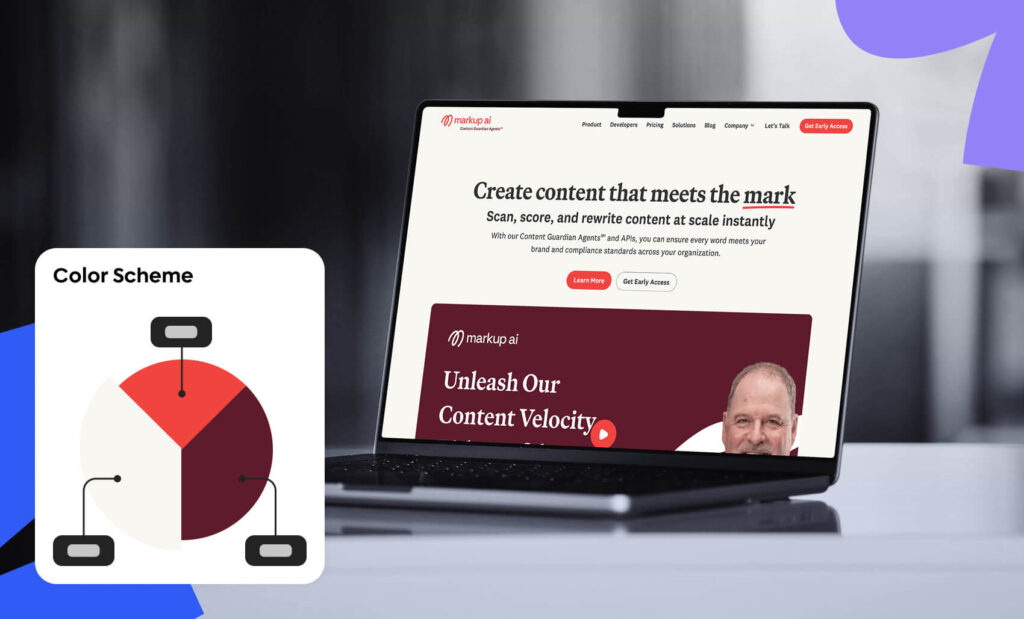
A signature color theme can improve your brand recognition by up to 80%. Imagine going through the street and seeing a glimpse of the bright yellow color of McDonald’s signature arch or Starbucks’ iconic green logo.
Would you second-guess what brands they are? Likely not. That is how a well-chosen color palette can help you differentiate yourself from your competitors.
Quick Brand Personality: Color Guide
Choosing the right color palette instantly affects how users feel about your brand. Whether you’re building a SaaS product, a personal brand, or an e-commerce site, these color cues help align your visual identity with the emotions you want your users to feel.
| Brand Personality | Primary Colors | Why These Colors Work |
| Trustworthy & Professional | Blue, Navy | Signals reliability, stability, and expertise. Ideal for SaaS, finance, and B2B brands. |
| Bold & Energetic | Red, Orange | Creates a sense of excitement and action; great for brands wanting to spark emotion or urgency. |
| Friendly & Approachable | Yellow, Light Orange | Feels warm, positive, and cheerful. Often used by lifestyle and consumer apps. |
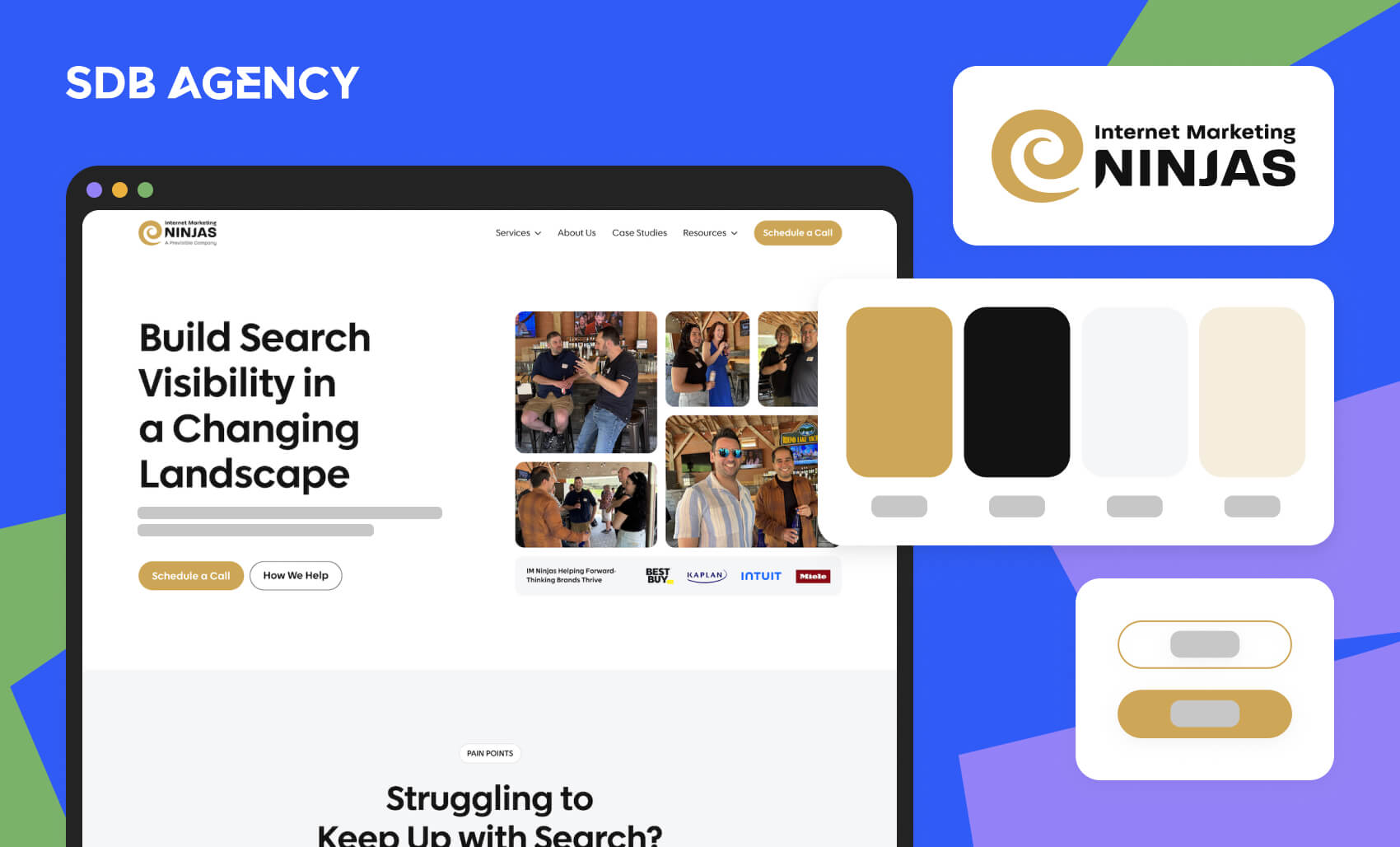
| Premium & Luxurious | Black, Gold | Conveys exclusivity and sophistication; common in luxury goods, fintech, and high-end SaaS. |
| Innovative & Modern | Purple, Electric Blue | Suggests creativity, future-thinking, and cutting-edge technology. |
| Eco-Friendly & Natural | Green, Earth Tones | Represents sustainability, growth, and health; ideal for wellness, nature, or eco-SaaS brands. |
| Calm & Minimalist | White, Gray, Soft Blue | Provides a clean, balanced, distraction-free feel. Popular in productivity and UI-focused SaaS. |
5 steps for choosing your winning brand color

So, how do you choose a color that perfectly fits your brand? Several steps can help you choose the right colors as part of your branding strategy.
Step 1: Understand color psychology
You can incorporate color psychology into your branding strategy. Color plays a big role in shaping brand perception, and every color conveys specific emotions and values. For example:
- Blue represents confidence and trust, establishing a dependable brand image.
- Green conveys positivity and is usually associated with health and sustainability, which gets the attention of eco-conscious consumers.
- Red evokes caution, danger, love, and intimacy, which deeply resonates emotionally.
Globally known brands usually use vibrant and strong hues that align with their identity. On the other hand, niche businesses like makeup or swimsuit brands tend to choose lighter shades to convey softness and approachability.
Step 2: Learn basic terminology
Understanding color terminology is important for creating a consistent visual brand language and persona. This lets you communicate your vision to designers effectively and ensure a cohesive appearance across platforms.
When you clearly communicate color specifications and requirements to your designers, they’ll have a better time maintaining brand integrity and creating a recognizable presence over time. The common terms of branding color include:
- Hues: Specific types of main colors that result in secondary or tertiary colors through mixing, shading, tinting, and toning.
- Shades: Darker color versions by injecting black color – the more black, the deeper the shade.
- Tints: lighter versions created by adding white – the higher the percentage, the lighter the tint.
- Chromaticity: A hue’s purity, which is determined by the absence or presence of various colors
- CMYK and PMS: Cyan, magenta, yellow, and black (CMYK), or Pantone Matching System (PMS) are color codes for the standard system for consistent color matching.
Step 3: Analyze the competition
As 55% of consumers judge a website or app visually, analyzing what works and what doesn’t for competitors can give you valuable insights. However, you shouldn’t copy and paste their brand language or identity; instead, you should understand your industry’s visual landscape and find gaps in the market that your brand may fill in.
If many businesses within your industry use the same color scheme, customers will get confused, weakening the brand’s identity. Being unique starts with distinct branding – it will help consumers remember your brand for its qualities instead of reminding them of another brand.
Step 4: match your brand identity
When defining your brand’s personality and values, choose colors that resonate with your core messaging to trigger the desired emotions from your customers. To ensure that your brand colors reflect your industry and values, ask yourself these questions:
- What problem does your brand solve?
- What value does it offer?
- What are your principles, and how can your users connect with them through color?
For example, choose green tones if your brand is focused on eco-friendliness and sustainable living or gold or purple if you’re a luxury brand to convey sophistication and exclusivity.
Step 5: Consider the target audience
Around 62 to 90% of people judge a brand only by their colors. Who is your target audience? And what colors do you think they’ll be attracted to?
How you present your brand visually impacts how your audience perceives your brand. For example, if you’re targeting younger Gen Zs, choose a more vibrant color. On the other hand, if your demographic is more mature or professional audiences, select a more muted and sophisticated tone.
3 brand color palette examples

After looking at the essential steps for effective branding with colors, it’s important to see real-life examples that may offer more inspiration. Here is a list of brand color combinations that work based on their recognizability, appeal, and versatility.
Slack
The popular communication platform Slack features a diverse color palette that includes pastel hues, blue, green, and aubergine, a dark purple shade that serves as its primary color. The secondary colors- green, blue, and yellow- function as accents, adding variety and visual interest.
Starbucks
Starbucks uses its iconic “family of greens” color scheme to represent healing, prosperity, and nature.
The deep green serves as the brand’s dominant shade, appearing across all key elements, while the lighter green is used strategically for contrast.
Complementing these hues, Starbucks incorporates classic black-and-white tones to create a clean, minimalist aesthetic that grounds typography and backgrounds.
Arguably the world’s most iconic color gradient, Instagram’s vibrant, fluid rainbow palette represents creativity, diversity, and fun.
This bold and dynamic spectrum is designed to be eye-catching and engaging. Perfect for a brand built on visual storytelling, unique content, and self-expression.
Instagram seamlessly weaves this blend of bright, saturated hues: yellow, orange, pink, purple, and blue, throughout its app, from the logo to the home interface and story highlights.
FAQs on choosing brand colors
Should I prioritize emotion or usability when choosing brand colors?
Ideally, you should balance both. Emotion helps define how users feel about your brand, while usability ensures your colors are accessible, readable, and functional across UI components. Experienced designers often test color accessibility early using contrast checkers, while beginners can simply start by ensuring text is easy to read.
What if my competitors already use the same colors I want?
It’s not always a problem, but you should evaluate how heavily they rely on those colors and whether users may confuse your brands. You can adjust hue or saturation to differentiate without starting over, while pros may use secondary or supporting colors to introduce contrast while keeping the primary identity intact.
How do I test whether my chosen color palette actually resonates with users?
Start by testing your colors on real UI components: buttons, navigation bars, and landing pages, rather than on a blank palette. You can run simple preference polls, while advanced teams often conduct A/B tests, heatmaps, or usability studies to see how color influences engagement and conversion.
How do I avoid choosing trendy colors that will look outdated later?
Focus on timeless color combinations grounded in your brand’s core values, not current design trends. You can start with classic palettes or use a modular approach where accent colors change seasonally without altering the core identity.
Choosing the right brand colors isn’t just about aesthetics
It’s a strategic decision that influences customer perception, brand recognition, and emotional connection. You can create a visually compelling and memorable brand presence by understanding color psychology, learning key terminology, analyzing competitors, aligning with your brand identity, and considering your target audience.
The success of big international brands proves the power of a well-thought-out color palette in reinforcing brand identity and engaging consumers. Now, it’s your turn. Take these insights, experiment with colors, and craft a unique palette that tells your brand’s story. Your perfect color combination is waiting to make a lasting impression!
Need help improving your SaaS site or product? Get in touch! We can help.

Curious, rebellious learner. Passionate about design, philosophy, and psychology. Loves ice cream, family, and simplicity. Always growing through new experiences.